Showing posts with label Healthy Lifestyle. Show all posts

Thursday, 5 March 2015

Maria's 7 Day Breakfast Challenge!


I know we have all heard that breakfast is the most important meal of the day, but a large number of us seem to ignore that all together. Especially me! I have found it next to impossible to eat before leaving my place in the morning, but the other day at school, we were provided breakfast before a presentation and what a difference it made in my day!
Being a nurse I find myself reciting this to many people over and over again. So it is finally time to practice what I preach. It's on! I am challenging you to 7 days of breakfast with me. To help you succeed, I am sharing with you super easy recipes that are fool proof. Stay tunned to us on facebook, twitter and instagram for help along the way. Going Grocery shopping tonight and breakfast challenge starts tomorrow!

Bagel Gone Bananas


ACTIVE TIME: 5 Minutes

This bagel topped with peanut butter and banana slices is ready in just 5 minutes and is easy to eat on the run. 
2 tablespoons of peanut butter
1 teaspoon of honey
1 whole-wheat bagel split and toasted
1 small banana sliced


 Breakfast Taco

ACTIVE TIME : 10 MINUTES
2 corn tortillas
1 Tablespoon salsa
2 tablespoons shredded reduced-fat Cheddar cheese
2 Eggs
Top tortillas with salsa and cheese. Heat in the microwave until the cheese is melted, about 30 seconds. 2. Meanwhile coat a small non-stick skillet with cooking spray. Heat over medium heat, add eggs and cook, stirring, until the eggs are cooked through, about 90 seconds. 
Divide the scrambled egg between the tacos and enjoy


uumm cereal, still an all time fav, and it doesn't get any easier than this.

ACTIVE TIME: 1MINUTE

Nutritious pick: FiberOne
Milk


Sunday, 15 February 2015

A Motivational interview with Lola Adeshina


Lola has been my friend and classmate for the past 6 months and I have to say her well rounded and motivated attitude has been an inspiration. Lola has been on her healthy eating journey for 2 years, I decided I would like to interview her to find out the deets on how she does it. We sit down in our learning team room and of course she has a healthy looking smoothie and smile. 

Why did you begin your healthy eating journey?

I began this journey mainly because I started running into a lot of health issues and made the decision to start an overall healthy lifestyle to avoid further problems with my health, so I started out with clearing my refrigerator of any bad foods, ever since then I have noticed a huge difference in my health and never looked back.


What do you enjoy about eating healthy?

It makes me feel good! I wake up feeling energized, my skin feels refreshed and nourished. I find that when I don’t eat healthy I tend to be less happy... also, who wouldn’t love the perks of an acne-free face (she chuckles). Eating healthy allows me to be organized in the sense that I can have healthy prepared meals for my long days at work, instead of worrying about what to eat or even worse- what is going into my body.


What has been the biggest challenge of eating healthy?

Temptations! I don’t believe anyone that says they’d rather have kale chips than chocolate and ice cream on a bad day.

Thursday, 12 February 2015

Get Motivated, Eat Healthy


Get Motivated: Eat Healthy


Health Motivation Key 1: Set Realistic Goals to achieve success
The first step to any plan is the most crucial one. Planning the right, achievable goal as per your capacities would predict the long term success. The goal can be achieved by taking small steps time to time. stick to the goals and stay organized. If you set unattainable goals, you're setting yourself towards failure. Instead, you'll be more likely to stick with a diet if you focus on your health and create sensible eating strategies. Setting smaller, attainable benchmarks, like not skipping breakfast for one week, will give you the confidence to continue.

Health Motivation Key 2: Be a part of Buddy System
It's hard to make major behaviour changes when you are swimming upstream by yourself. Finding buddies and involving them in your plans by setting similar goals can greatly improve chances of success. When your spirit starts falling down, having people to call on can provide the support you need to continue. Having a support group to move ahead with, whether it's friends or people from classroom, can make all the difference for diet success.


Tuesday, 10 February 2015

Motivate Yourself

You’ve been thinking about eating healthy, I know it because otherwise you wouldn’t be here reading this blog. Eating healthy is a lifestyle that we know is good for us but it’s so hard to get motivated sometimes. LISTEN UP motivation won’t come to you by simply waiting around long enough. The sky isn’t going to open up and pour a dose of motivation over you. It will not magically appear just because you need it. You have to dig deep within you and pull it out. You have to wrestle away excuses and find desire, I know you have it in you, we all do!
Motivation craves to be chased. It requires you to make an active choice to pursue and tackle it. Then you must stay the course and impose your will on it. It’s hard at first but overtime eating healthy will become part of your lifestyle.

Lifestyle seems too far away right now, I get it. So lets find ways to take small steps and start with a plan of attack. Set goals that are specific and accomplishable (check out our previous blog on SMART goals) and talk to yourself in proactive terms. Rather than making sure that you do NOT do some thing, tell yourself what you WILL do. For example, tell yourself that you will eat fruits rather than that you cannot eat fries. Then write it down. Cement what you want to accomplish in visible words and put this somewhere you can see it daily to remind you of your commitment to yourself.


Go ahead and celebrate your small wins. No matter how tiny it might seem, it is al a part of the bigger picture and you deserve to be celebrated. Get excited, be in the right frame of mind, think positive and allow yourself to smile.


Monday, 9 February 2015

Confession of a dine-out-holic

So I have a confession to make. I love eating at restaurants and trying out different types of cuisines. It’s is amazing the variety of food I can try by eating out.  I can try Ethiopian one day and Japanese another.  It’s like traveling through different cultures in a short period of time in the same city. I get to learn more about what an injera is and how to eat it; I get to taste different types of ramen dunk in deliciously rich bone soup.  As an individual that values learning about different cultures, dining out has been a great teacher to me.

 Brunch
 Mexican
 Filipino
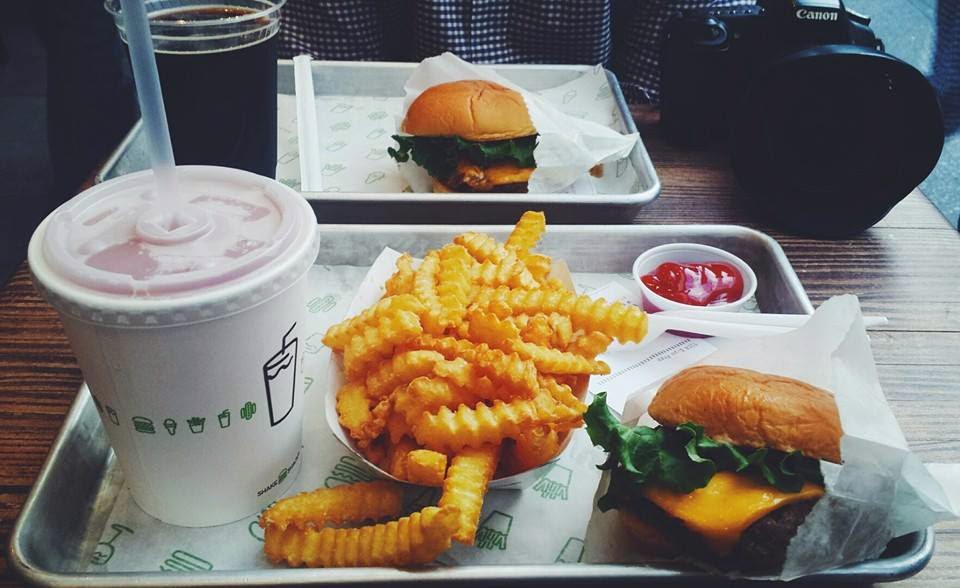
Fast food

Living in an urban city with a big University population made me dine out more often. It’s a social event. If I haven’t seen someone for a long time, I would meet up with them for lunch or dinner and grab a bite. I also enjoy trying new restaurants because being adventurous is part of being a dine-out-holic. Students get influenced by the social norms of our peer group all the time.  It has been shown that friends are an influential model agents with food selection (Kinard et al., 2011). So if your friends are eating unhealthy food, you’re most likely going to be engaging in the same behavior.  

Tuesday, 3 February 2015

Kale “The Queen of Greens”


Kale has many great benefits. It’s a high fiber vegetable that aids in the digestion and elimination of toxic waste from the body. With nutrients like vitamins, iron, calcium folate and magnesium1; It’s no wonder why kale is considered a great detox and anti-inflammatory food filled with powerful antioxidants.2

How to Eat Kale

It can be difficult to eat green vegetables at times so it’s best to know different ways of preparing them. Here are some great ways to eat kale with a smile on your face.


Sauté it: Sprinkle some olive oil and a little bit of salt. Cook on low heat for about 5 minutes. The leaf is tougher so don’t worry about it getting soft and losing the nutrients.


Saturday, 31 January 2015

Budgeting

Being a student isn’t cheap. It requires that you balance what you are going to spend money on. Sometimes you need to do this on a daily basis and this requires compromises. For many students one of these compromises is nutrition, but it doesn’t have to be.
Eating and shopping on a budget can be stressful – especially if you aren’t getting the balance of the 5 food groups that we talked about in the earlier posts in the blog – but it doesn’t have to be. This can be a fun process, but requires a few skills and an eye for a bargain.
One thing students should look at before deciding on which store is whether the store has specials. Most major grocery chains post their flyers with specials online. Some chains offer a student discount – but be wary this may be at a chain that has a higher ‘markup’ (i.e. higher overall prices). One store in the general area of the university I attend has a 10% discount on Tuesdays for students.
Most students can't get specials from every store on a weekly basis (due to limited transportation and time) – You need to choose the store that fits your budget depending on the things that you need. So don’t go to one store just because two items are on sale if everything else you are going to buy cost more than another store. Be smart! (If you have a roommate going to another store ask them to pick up one of the specials there for you if you are not going there)
Some other tricks even before you get to the store: eat before you get to a grocery store; you’ll have fewer impulse buys – and make a list before you get there. Try as much as you can to stick to a list – it will prevent forgetting to buy things you need.
Sometimes living on a budget means changing the way you eat but this doesn’t take away your options of having balanced meals.. There are ways to eat from each of the 5 food groups on a budget.
Here are some tips for cheap ways to eat from each of the food groups:
Grains
Brown rice, multigrain/wheat pasta, wheat bread/pita are all frugal sources of grains. Grains are usually items that aren’t hard for students to get on a budget
Fruits and Vegetables
Getting fruits and veggies on a budget requires a little ingenuity. Try to aim for fresh fruits and veggies that are in season – they will be cheaper. Look around the produce section (or ask staff) they usually have fruits that are less aesthetically appealing (bruised or off color) that still taste great but are sold at a massive discount. You might have to forgo fresh produce and opt for frozen or canned veggies and fruits. These have the same nutritional value as fresh produce, but might require some inventive recipes to make them a bit more palatable. Frozen fruits are great in smoothies but you will need a blender. In particular canned vegetables are excellent sources of fiber and vitamins.


Thursday, 29 January 2015

What's in your kitchen?

The first step to getting yourself on track to eating healthy is knowing and having the essentials. Is your pantry packed with Kraft Dinner, chips and other high sodium foods? It’s time to learn the ins and outs of eating healthy. Here are the essentials to allow you to whip up a nutritious meal no matter how busy you are.

Firstly you need to cut the crap.

C carbonated drinks
R refined sugar
A artificial sweeteners
P processed food


Baby spinach is nutrient rich and can be used in a variety of meals from smoothies, salads, and soups to pastas. It is fat free and is a good source of iron, vitamin A and vitamin C. Vitamin A is important for healthy vision, skin and bone health.2


Stocking up on fruits is great for easy on the go snacks that are nutritious. Fruits provide nutrients that are vital for the body’s function. Fiber from fruit reduces blood cholesterol and may lower risk of heart disease. Also, it helps regulate bowels, reducing constipation.3

Greek yogurt is a great staple for breakfasts, it can be added to smoothies or used with fruits and granola. It can also be used as a healthy alternative to mayonnaise and sour cream.


Various nuts have omega-3 and omega-6, minerals and vitamin E. What’s the hype about omega? Research studies have found that omega rich diet supports heart health and lowers the rate of deaths from heart disease. Nuts are an easy snack or can be used as topping for meals.4

Tuesday, 27 January 2015

Benefits of Good Nutrition


Good nutrition provides multiple benefits. It helps all the systems of the body to function optimally for a lifetime. It aids in physical and mental well being by providing energy, promoting sound sleep and providing the body all necessary nutrients to stay healthy. Opting for a balanced, adequate and varied diet is an important step towards a happy and healthy lifestyle (WHO). Healthy diets can also contribute to an adequate body weight. Proper nutrition doesn’t mean starving yourself, but instead means eating a diet balanced in lean proteins, carbs and fats.

Heart Health
A diet low in fats, cholesterol and sodium lowers the risk of heart disease. The types of fat in the diet play a major role in the level of risk. Saturated and trans fats -commonly found in red meats, fried foods, coconut oils, palm oils, margarines and packaged snack foods - increase the risk and should be avoided. Diets that reduce risk of heart disease are rich in fruits, vegetables, whole grains and low-fat dairy. Aim for four to five servings of fruits and four to five servings of vegetables per day.

Bone and Teeth Strength
A diet rich in calcium keeps bones and teeth strong and helps prevent bone loss associated with osteoporosis. Low-fat dairy products, such as milk, cheese and yogurt; dark green vegetables, such as broccoli; and fortified foods, such as soy products, fruit juices and cereals are good sources of calcium. The Centers for Disease Control and Prevention recommends 1,000 milligrams of calcium daily for average adults ages 19 to 50. Vitamin D helps your body absorb calcium; choose products fortified with vitamin D to balance your nutrition.

Energy
Increased energy levels are the immediate benefits of switching to a healthy diet. Eliminating excess fats, sugars and refined carbohydrates help to prevent blood sugar fluctuations. Examples of refined carbohydrates include candy and white breads. Unprocessed carbohydrates including whole grains, fruits and vegetables are most nutritious. This allows you to maintain steady blood sugar and constant energy levels as a result. Small, frequent meals also help maintain energy. In addition, eating a healthy breakfast helps keep you energized throughout the day. The American Council on Exercise recommends breakfasts, such as oatmeal with fruit, or a light sandwich.

Sunday, 25 January 2015

5 Reasons why eating healthy is something you can do


1) Save money
We know you’ve heard a lot of people say that eating healthy is expensive. But guess what, eating out at the university food court is way tougher on you wallet. Being a student means living on a budget, and since your OSAP loans will only take you so far, why not save money AND eat healthy!

2) Time efficient recipes

Think cooking is time consuming? Think again, not all meals have to be banquets. We can show you lots of fast and easy to make recipes that will have your food ready well before you make the trek to a campus foodcourt. Plus it’s a long cold walk, use the extra time to catch up on your social media from the comfort of your warm room.


3) Cooking is easy!
There are tons of easy to prepare recipes that don’t require you to have Martha Stewart genes. You CAN do it! Stay tuned to our blog and let us teach you along the way. You’re gonna have to learn to cook at some point in time, why not start now?


Tuesday, 20 January 2015

Do you know your food groups?

It is Sunday night and you have a million things due this week.  You have to finish a paper by tomorrow, hand in an assignment by Wednesday and a presentation on Thursday.  As you are organizing your schedule in your head you realize that your stomach is grumbling. You end up having an inner debate with yourself on whether you should try and make something for dinner or go to the nearest take out place which has no healthy options.  You decide that there is no time to make dinner and bundle up to go grab take-out.  Sounds familiar? This is the reality of many University students.  We are busy so we assume we do not have enough time to cook healthy meals for ourselves.  Eating out is not necessarily unhealthy if you’re aware of what you are putting in your body.  Poor nutrition is one of the biggest health issues we face as a society (Goel, 2006).  Selecting proper nutritious food for your body will have long-term effects for your health reducing the risk of cardiovascular disease, some types of cancer and diabetes (Nicklas et al., 2001).  In order to become mindful of what we eat, let’s review the Canada’s food guide.
          

     Vegetables and fruit
     A diet that is rich in vegetables and fruit can be of benefit when by reducing the risk of cardiovascular diseases and some types of cancers (Health Canada, 2011). They are low in calories and fat. Vegetables and fruit contain important nutrients such as carbohydrates, fibre, folate, vitamin B6, C, A, magnesium and potassium. Their role for human health is prominent, and Canada's Food guide emphasizes the importance of roles played by the nutrients in vegetables and fruit. The nutrients work together to provide overall health benefit (Health Canada, 2011).


  •          Recommending serving size for students aged 14-18:  females 7;  males 8 (Health Canada, 2011).
  •          Recommending serving size for students aged 19-50:  females 7-8;  males 8-10 (Health Canada, 2011).


       *these are different examples of 1 serving size


Grain Products

     Grain products are a great source of fibre and low in fat.  This food group will help you to feel satisfied and also assist in reducing the risk of cardiovascular disease (Health Canada, 2011). Grain products contain carbohydrates, fibre, thiamin, riboflavin, niacin, folate, iron, zinc, magnesium and potassium. Whole grains are better because they retain the outermost layer which is the source of fibre, so try to eat whole grains instead. i.e. brown rice, millet, quinoa, spelt, whole oats/ oatmeal, whole grain wheat and while rice. It is also important to be mindful of what else is going inside your food other than the grain. Try to limit grain products that are high in fat, sugar and salt (Health Canada, 2011).


  •         Recommending serving size for students aged 14-18:  females 6;  males 7 (Health Canada, 2011)
  •         Recommending serving size for students aged 19-50:  females 7-8;  males 8-10 (Health Canada, 2011).